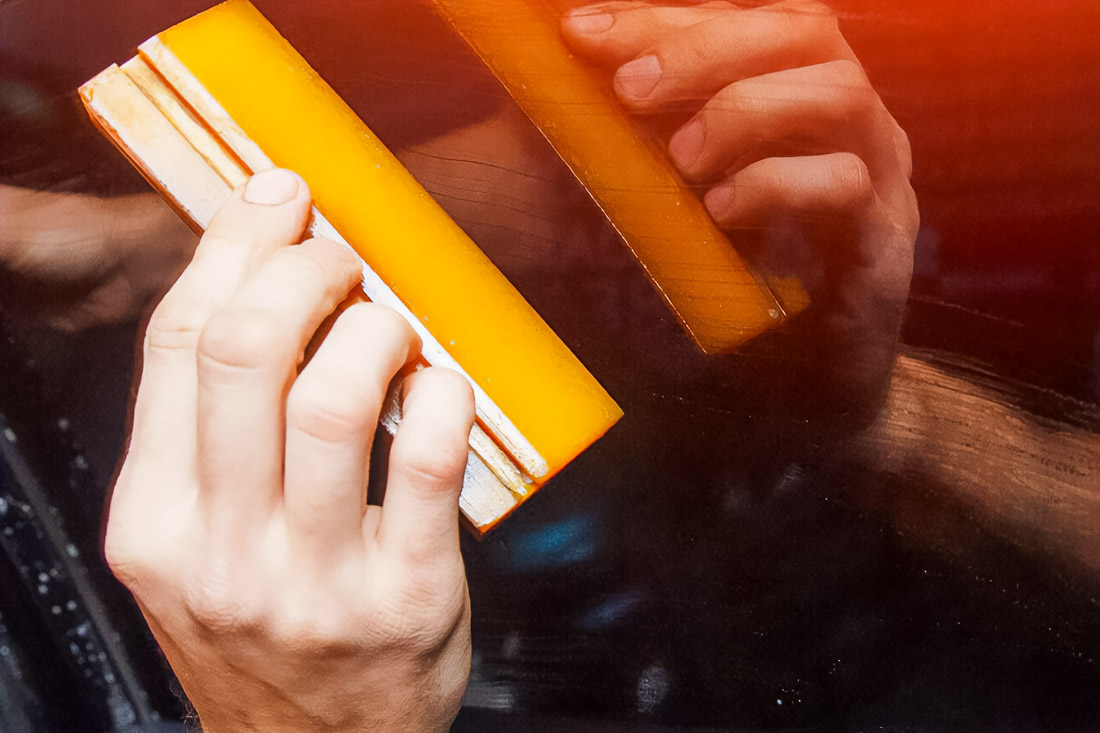

Ceramic coating is not a gloss . This is a protective layer that works on the paintwork every day: it takes on ultraviolet radiation, helps to curb oxidation, reduces the adhesion of dust and sand, simplifies cleaning and reduces the risk of micro-damage. But there is a caveat. The external environment and climatic conditions change seasonally, and with them the loads on the surface, the maintenance requirements, and even the behavior of the coating after application change. Below is an analysis without advertising promises. Only what follows from the material: temperature, humidity, sand and dust, seasonal changes, curing, adhesion, degradation of the protective layer and real durability.
Temperature, Curing And Adhesion: The Foundation Of Protection
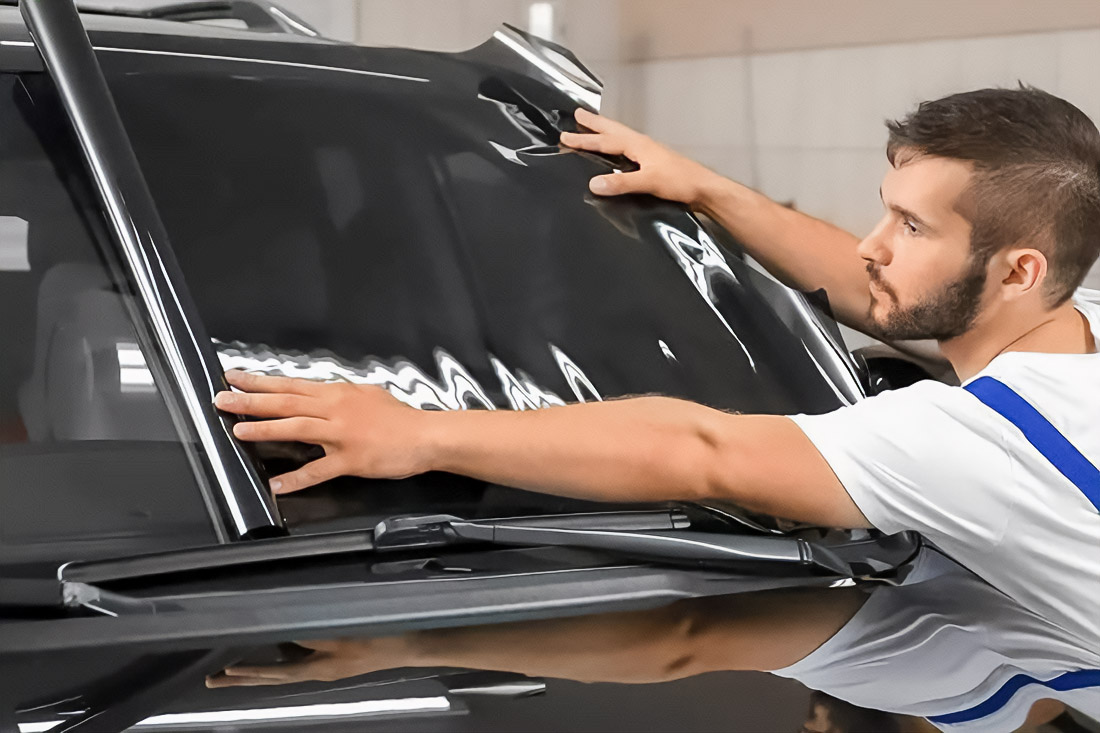
Temperature is the main regulator of how “correct” the ceramic coating will become a protective layer. For application and stable curing, the range of 15-27 °C (60-80 °F) is specified in the material. In it, the coating has time to even out, form a uniform film and “grab” the paintwork normally.
As soon as the temperature goes down, a different physics begins. At values below 10 °C (50 °F), curing slows down, and adhesion may become weaker. This means a simple thing: the protective layer becomes less stable, and the surface becomes more sensitive to road pollution, chemical attack, and mechanical wear. It is especially unpleasant when moisture and dirt get into the “wet dried wet again” cycle.
High fever is also not a gift. Yes, heat can accelerate curing, but excessive heating during application increases the risk of layer defects if the coating begins to “set” faster than it has time to distribute correctly. As a result, durability and durability may depend not on the season itself, but on how the conditions are met during application.
Summer: Ultraviolet Light, Heat And Accelerated Aging Of Nail Polish
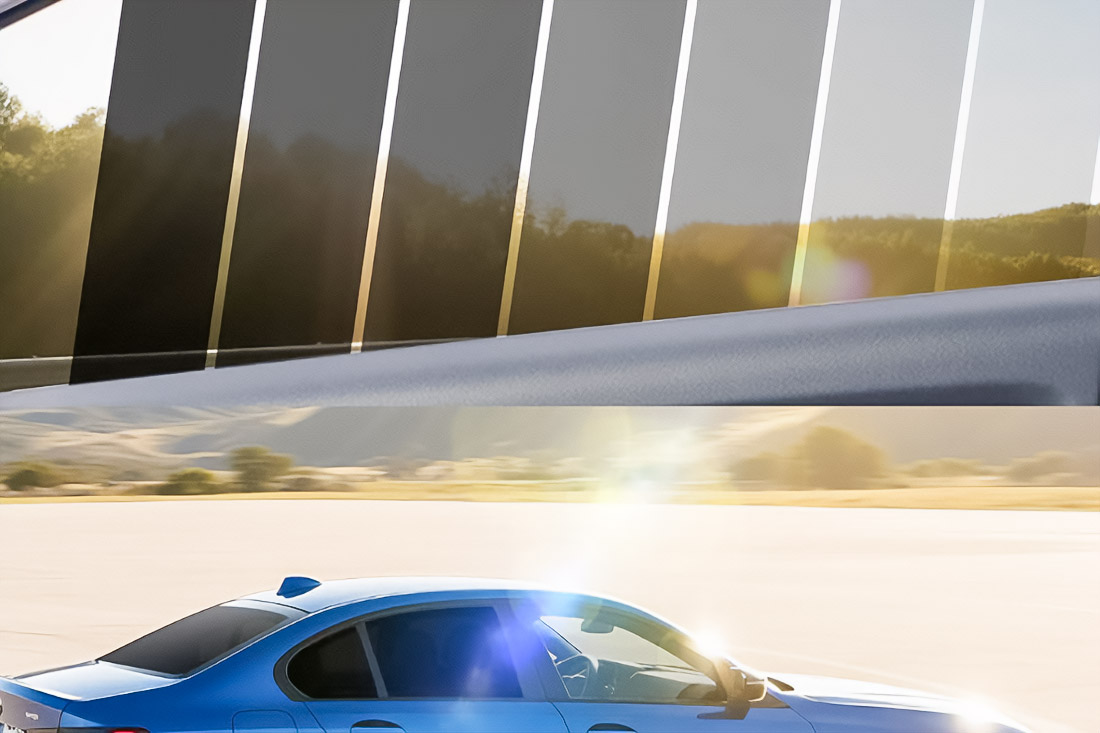
In summer, exposure to ultraviolet radiation and extreme heat becomes systemic. The material explicitly states that the air temperature can rise to 40-50 ° C, and the body surface of dark cars can rise to 80-90 °C and above. This accelerates oxidation. It also increases the rate of paint fading.
There is also a comparative assessment: in such conditions, the color can fade 20-30% faster than in cooler climates. Therefore, ceramic coating is valued as a barrier that helps to restrain the destruction of paintwork and slow down degradation. But another thing is also important: with prolonged sun exposure without maintenance, the effectiveness of the coating can decrease by about 10-15% in two years. Not “suddenly”, but gradually. At first, the hydrophobic effect is worse, then traces of dirt appear faster, and the gloss becomes less deep.
In summer, there is another factor: dust and sand. In dry climates, they settle constantly, and then turn into an abrasive when improperly cleaned. The ceramic coating reduces the adhesion of such particles, which means it helps to reduce micro-damage during washing and daily use. But it does not negate caution. It enhances it.
Winter And Off-Season: Humidity, Salt And Abrasive Wear
The loads are different in winter, but it doesn’t get any easier. Humidity, seasonal changes, temperature changes, road salt all add a chemical effect to the protective layer and increase the risk of wear during frequent cleaning. The emphasis in the material is on the fact that the coating may cure worse in the cold, which means that adhesion and durability may be weaker if the application conditions have not been met.
During normal layer formation, the ceramic coating acts as a chemically resistant barrier: it reduces the effect of salt deposits and road chemicals on the paintwork. However, the hydrophobic properties may temporarily “sag” due to the accumulation of pollutants. This is not magic or a “breakdown.” This is a household operation.
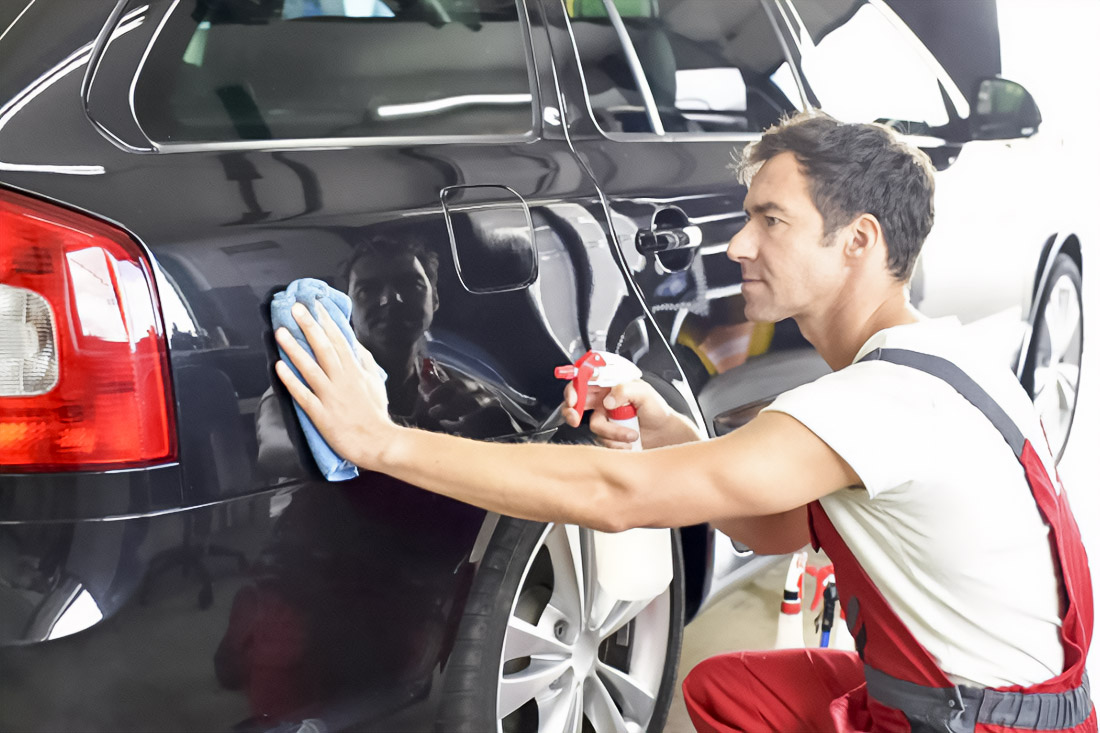
Hence the logical conclusion. Regular care is part of the protection, not a separate option. In an aggressive environment, it is recommended to wash the material every 2-4 weeks during Car Detailing Dubai, because dirt and moisture accelerate the degradation of the protective layer. And with proper application and care, the service life of the coating is indicated as 2-5 years.

Basketball fan, vegan, hiphop head, reclaimed wood collector and growthhacker. Working at the fulcrum of simplicity and computer science to create not just a logo, but a feeling. I sometimes make random things with friends.